

WHAT IS BAD FUEL AND WHY DOES IT MATTER?
Fuel quality plays a critical role in the performance and reliability of fleets, trucks, generators, and heavy equipment. Contaminated fuel can lead to engine damage, clogged filters, increased emissions, and unexpected downtime. Understanding the risks of bad fuel is the first step in preventing costly operational problems.
DIRTY FUEL IS A SERIOUS PROBLEM
All fuel becomes contaminated over time — sometimes even before it reaches your tank. Modern refining methods and real-world storage conditions both contribute to fuel instability and contamination.
1. Modern Refining Has Reduced Fuel Stability
Today’s fuels are engineered to maximize refining yield. While economically efficient, modern diesel and gasoline are less chemically stable than fuels produced even a decade ago.
This reduced stability increases the likelihood of:
* Bacterial growth
* Sludge formation
* Fuel oxidation
* Emulsified water
Water-dispersing additives can create emulsions that pass through water separators as “fuel,” but inside the engine they behave like water — leading to poor combustion and reduced performance.
2. Storage Conditions Accelerate Contamination
All storage tanks are vented to the atmosphere. During storage and transport, fuel is exposed to:
* Oxygen
* Humidity
* Airborne particulates
* Microbes and spores
Water naturally condenses and settles at the bottom of tanks. This water layer creates the ideal environment for microbial growth. Over time, contamination leads to slimy deposits, corrosion, and tank pitting.
3. The Mechanical Impact
Untreated contaminated fuel can result in:
* Blocked fuel lines
* Dirty nozzles and injectors
* Clogged filters
* Reduced combustion efficiency
* Unexpected equipment downtime
Fuel degradation is gradual — but the damage it causes is not.
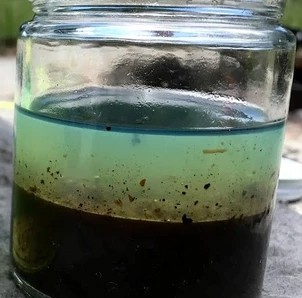
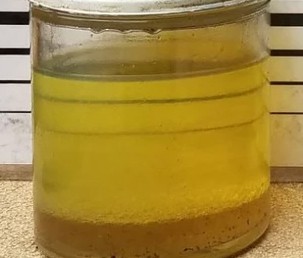
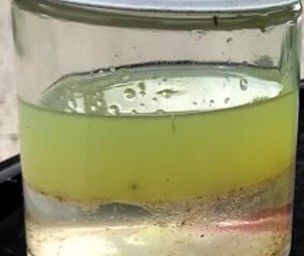
CONTAMINATED DIESEL FUEL
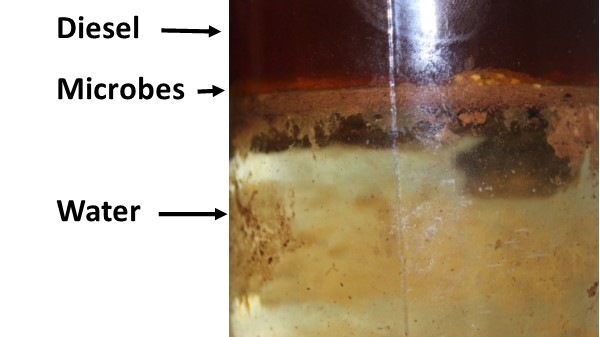
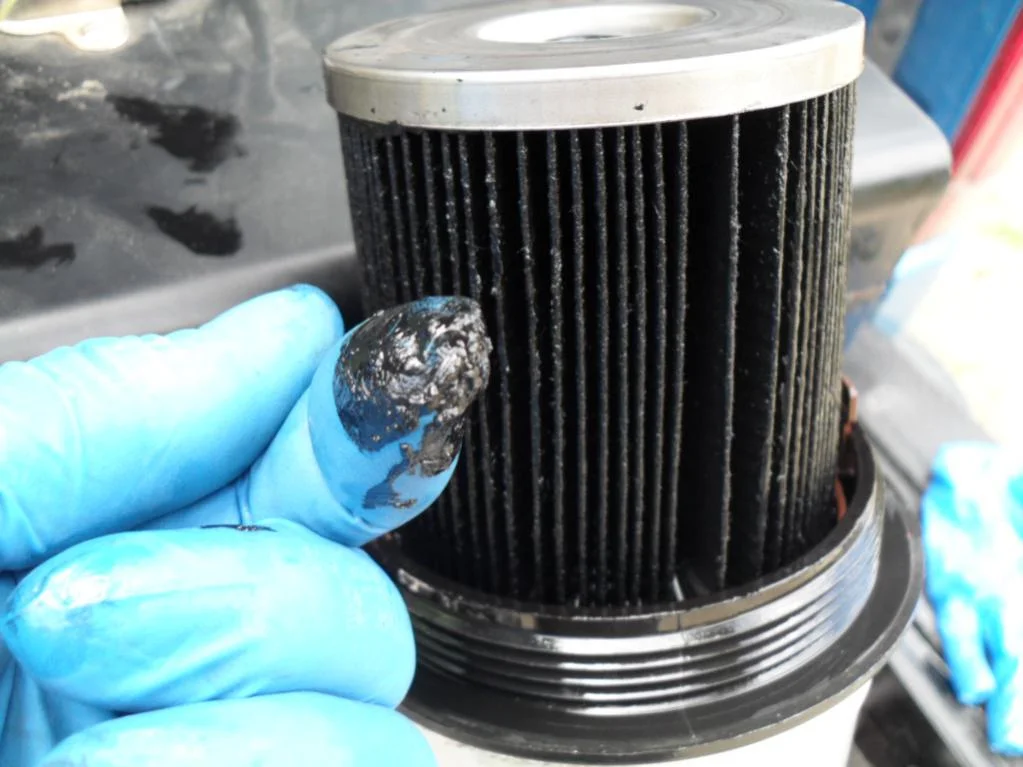
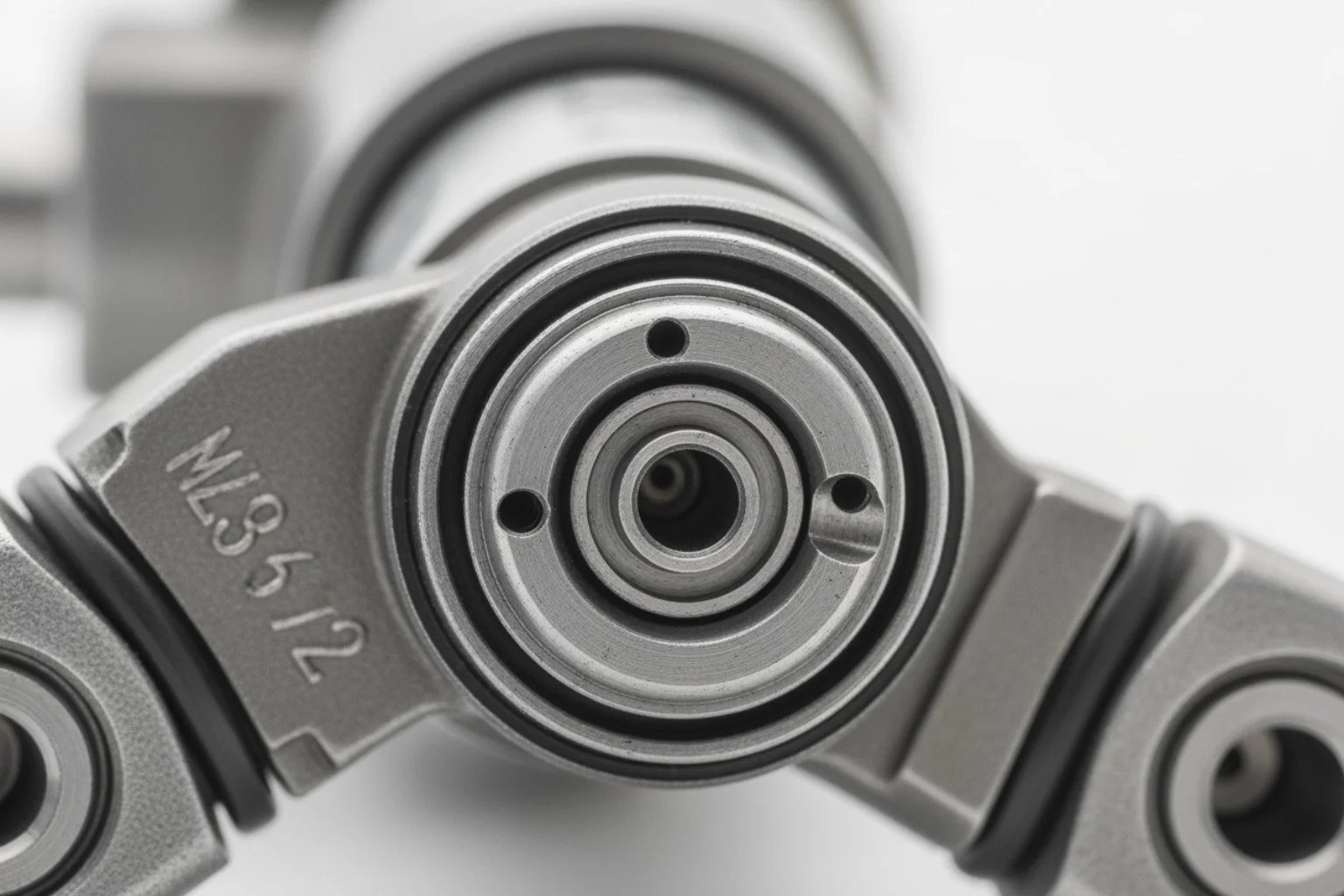
Contaminated diesel fuel can severely damage modern engines. Today’s diesel manufacturers require fuel to meet ISO cleanliness levels of 18/16/13, with water content below 0.05%. These standards exist for one reason: modern diesel systems are far less tolerant of contamination than older engines.
Then vs. Now: What Changed?
Not long ago, diesel engines were simple. They were less efficient, operated at lower fuel pressures, and ran on high-sulfur diesel — sometimes containing up to 5,000 ppm sulfur.
Older injection systems:
- Used roughly half the fuel pressure of modern engines
- Had larger internal fuel passages
- Were more tolerant of minor contamination
High sulfur content also inhibited much of the bacteria and fungi that cause filter clogging today.
Ultra-Low Sulfur Diesel (ULSD) and Microbial Growth
Modern diesel fuel contains just 15 ppm sulfur. While this reduces emissions, it also removes sulfur’s natural antimicrobial properties.
If moisture is present in a storage tank, bacteria and fungi can grow rapidly. These microbes produce sludge and acidic byproducts that:
* Clog filters
* Corrode tanks
* Damage injectors
* Reduce combustion efficiency.
High Pressure = High Sensitivity
Today’s diesel engines operate at 27,000 to 35,000 PSI in common-rail systems. These injectors have extremely small fuel passages that are easily:
- Clogged by particulate contamination
- Damaged by water
- Scored by abrasive debris
Even small amounts of contamination can lead to expensive failures.
Why Old Filtration Methods No Longer Work
The days of using traditional gravity water separators or basic tank filters are over.
Older-style filtration systems may remove 75%–99% of contaminants, but that is not sufficient to achieve ISO 18/16/13 cleanliness levels.
Magnets and filter-less “fuel treatment” devices:
* Do not remove water
* Do not eliminate microbial contamination
* Cannot meet modern diesel cleanliness standards
Modern diesel engines require modern fuel maintenance.
PHASE SEPARATED ETHANOL BLENDED FUELS
Phase separation occurs when ethanol-blended gasoline absorbs too much water.
Ethanol is hygroscopic — meaning it naturally attracts and absorbs moisture from the air. When gasoline containing ethanol comes into contact with liquid water or even humidity inside a storage tank, the ethanol begins absorbing that moisture.
Once the fuel reaches its saturation point, the ethanol and absorbed water separate from the gasoline and form a distinct layer at the bottom of the tank.
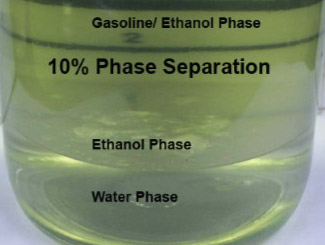
What Happens During Phase Separation?
When separation occurs:
- The gasoline layer above loses octane
- The ethanol/water mixture settles at the tank bottom
- The fuel no longer meets performance specifications
If octane drops too low, engines may:
* Fail to start
* Knock or misfire
* Run inefficiently
If the ethanol/water layer is drawn into the engine, severe damage can occur due to poor combustion and lack of lubrication properties.
Why It Matters in Storage Tanks
Bulk fuel storage tanks are especially vulnerable because:
- They are vented to the atmosphere
- They experience temperature swings
- Humidity causes condensation
Water accumulation over time increases the risk of phase separation.
Regular tank inspection and water monitoring are essential to prevent fuel loss and engine damage.
Can Phase-Separated Fuel Be Fixed?
Laboratory testing has shown that properly designed fuel polishing systems can remove the separated ethanol/water layer in a single pass — without negatively affecting the remaining clean fuel.
However, prevention is always preferable to correction.
Modern Fuels Are More Efficient — But Far Less Forgiving.
Contamination, water, and microbial growth are no longer minor issues. In today’s high-pressure engines and ultra-low sulfur fuel systems, proper fuel maintenance is essential for reliability and long-term performance.
How the Pure Fuel Polishing and Cleaning Process Works
1
On-Site Fuel Sampling
We pull live samples directly from your tank
2
Visual Inspection & Analysis
You see contamination levels immediately
3
Fuel Polishing Service
We filter and restore fuel down to 1 micron
4
Ongoing Protection
Optional programs to prevent future contamination
